

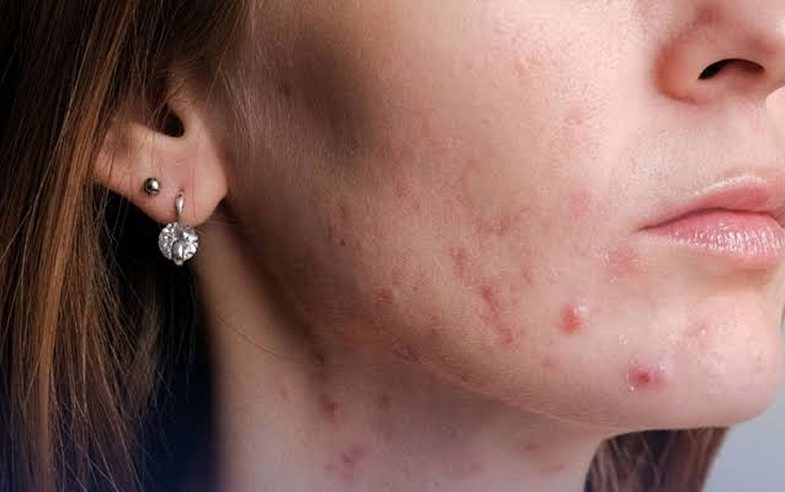
Acne is not exclusive to adolescence. Many people continue to develop lesions in adulthood or face acne for the first time after the age of 25 or 30. In addition to the impact on the skin, this condition can affect self-esteem and quality of life.
There are several treatment options, but the choice depends on the type of acne, its severity, the associated causes and the characteristics of each person. Therefore, the evaluation by a dermatologist is important to define the most appropriate plan.
Why does acne appear in adulthood?
Acne in adulthood can result from a combination of several factors, including:
- Hormonal changes, especially in women;
- Genetic predisposition;
- Excessive production of oiliness;
- Obstruction of pores;
- Proliferation of the bacterium Cutibacterium acnes;
- Some medications;
- Use of inappropriate cosmetic products.
Although stress is not considered a direct cause, it can contribute to the worsening of injuries in some people.
How is the treatment done?
Treatment should be personalized. Not everyone needs the same approach, and what works in one case may not be suitable for another.
Topical treatments
When acne is mild or moderate, it is common to resort to medications applied directly to the skin.
They may include:
- Topical retinoids;
- Benzoyl peroxide;
- Azelaic acid;
- Topical antibiotics, in specific situations.
These treatments help to reduce inflammation, control clogged pores, and prevent the appearance of new lesions.
Oral treatments
In more extensive or persistent cases, it may be necessary to resort to oral medication.
Depending on the clinical evaluation, the dermatologist may consider:
- Oral antibiotics for limited periods;
- Hormone therapy in selected women;
- Oral isotretinoin in severe or resistant acne situations.
The choice always depends on the severity of the disease, age, clinical history and therapeutic goals.
Daily care that makes a difference
Although they are not a substitute for medical treatment, some precautions can contribute to better acne control:
- Wash your face with a mild cleanser;
- Use moisturizers and non-comedogenic sunscreens;
- Avoid handling or squeezing the lesions;
- Choose cosmetics suitable for acne-prone skin;
- Maintain a consistent care routine.
How long does it take to improve?
Improvement is not usually immediate. In many cases, the first results appear after a few weeks of treatment, and it is necessary to maintain the therapy for several months to achieve more stable control.
Stopping treatment early or frequently changing products can compromise results.
When should you see a dermatologist?
It is advisable to seek medical evaluation when:
- Acne persists despite usual care;
- There are painful or deep lesions;
- Scars are emerging;
- Acne impacts self-esteem or well-being;
- The lesions first appear in adulthood.
A correct diagnosis allows you to exclude other skin diseases and define the most appropriate treatment for each situation.
Is it possible to control acne in adulthood?
In most cases, yes. Currently there are several therapeutic options that significantly reduce injuries and prevent scarring when treatment is started in time.
Each person has different characteristics, so monitoring by a dermatologist is essential to define an individualized plan and adjust the treatment whenever necessary.