Categoria
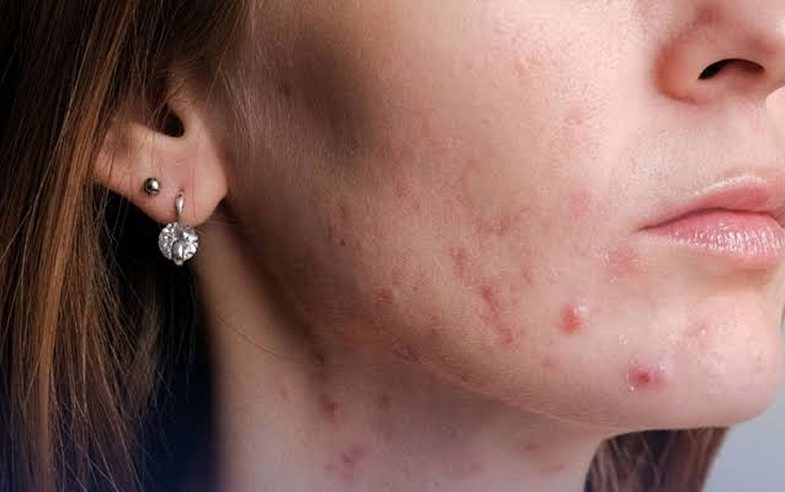
Acne and Rosacea


Dermatological procedures allow you to diagnose and treat various skin diseases in a safe, personalized and, in most cases, minimally invasive way.
Modern dermatology combines specialized clinical evaluation with the performance of diagnostic and therapeutic procedures that allow the treatment of a wide variety of diseases of the skin, hair and nails.
Many of these procedures can be performed on the same day of the consultation, safely, with local anesthesia and quick recovery, often avoiding the need for hospitalization or more complex interventions.
The choice of procedure always depends on the diagnosis, the location of the lesion and the therapeutic goals of each patient.
Dermatologic procedures may be necessary to:

Depending on the clinical situation, the following may be performed:
All procedures are preceded by dermatological evaluation to ensure that the chosen approach is the most appropriate for each case.
Dermatological surgery is a fundamental area of the specialty, allowing the diagnosis and treatment of multiple skin lesions in an effective and minimally invasive way.
It may be indicated for the removal of atypical moles, cysts, benign tumors and certain types of skin cancer, as well as for obtaining samples for histological analysis.
Whenever possible, the surgical technique is selected in order to optimize not only the therapeutic result, but also the scarring result.
Dermoscopy is a non-invasive technique that allows the analysis of skin structures invisible to the naked eye, significantly increasing diagnostic accuracy.
It is particularly useful in the evaluation of pigmented moles, melanoma, skin cancer and other skin lesions, playing a central role in the early detection of potentially serious diseases.
Most dermatological procedures allow a quick return to usual activities.
After each intervention, specific guidance is provided on local care, healing and sun protection, in order to promote proper recovery and optimize long-term results.
Dermatological follow-up remains an essential part of treatment, allowing to monitor clinical evolution and prevent recurrences whenever necessary.
Book your appointment with Dr. João Patrocínio for an accurate diagnosis, close follow-up and treatments adapted to your needs.

Fill out the form with your details and our team will contact you as soon as possible.