Categoria
Acne and Rosacea


Acne and rosacea are inflammatory diseases that tend to evolve without proper monitoring. A specialized evaluation allows you to control the disease and reduce the impact on the skin and quality of life.
Acne and rosacea are two of the most frequent inflammatory skin diseases, but they have different causes, manifestations, and treatments.
Acne
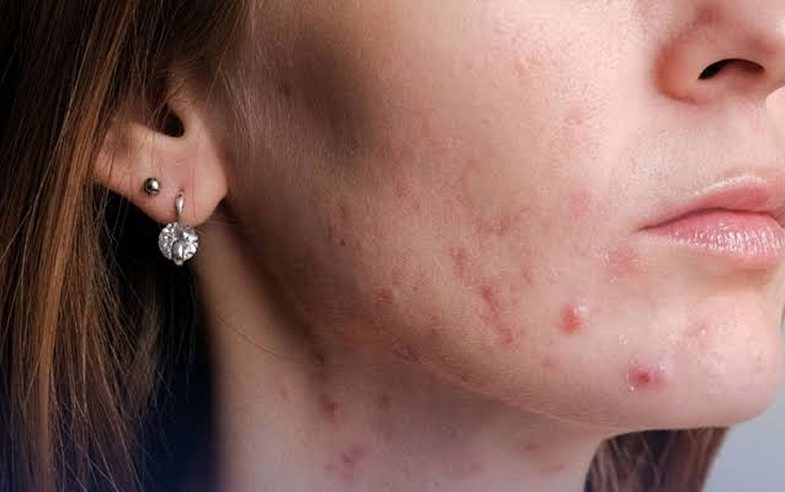
Acne mainly affects adolescents and young adults, although it can appear or persist into adulthood. In addition to the aesthetic impact, it can cause permanent scars and significantly affect self-esteem and quality of life.
Rosacea
Rosacea is a chronic inflammatory disease that manifests itself mainly through persistent facial redness, skin sensitivity and recurrent episodes of worsening. Without proper treatment, it tends to evolve over time.
Although they share some characteristics, the distinction between these two diseases is fundamental to define the most appropriate treatment.
Acne can manifest itself through:
There are different forms of acne, from mild to more severe forms, capable of leaving permanent marks if not treated in time.
The most frequent signs include:
Sun exposure, heat, alcohol, stress and certain foods can trigger or aggravate symptoms.
Acne results from the interaction of several factors, including genetic predisposition, hormonal changes, excessive sebum production, and inflammation of the pilosebaceous follicles.
Rosacea is associated with alterations in the inflammatory and vascular response of the skin in genetically predisposed individuals, and is often aggravated by environmental factors.
In both diseases, the use of inappropriate products can contribute to the aggravation of the lesions.
Book your appointment with Dr. João Patrocínio for an accurate diagnosis, close follow-up and treatments adapted to your needs.
Currently there are effective treatments for most cases of acne and rosacea.
In acne, therapeutic options may include:

In rosacea, treatment may involve:
The age profile and characteristics of the patient vary considerably between the two pathologies. Understanding at what stage of life acne or rosacea appears is the first step to effective intervention.
It is the most common stage of appearance, triggered by the increase in androgens, which causes overactivity of the sebaceous glands and affects almost all adolescents.
11-18
It can be the continuation of juvenile acne or appear for the first time at this stage. It affects women more and is located in the “U” area of the face: jaw, chin and neck.
25+
It usually begins with transient episodes of redness and redness on the cheeks, nose, forehead and chin, which the patient often confuses with shyness or heat.
30-40
The redness tends to become permanent, with the appearance of visible blood vessels or pimples, which is the period when most patients seek medical help.
40+
Early detection allows inflammation to be controlled before
structural damage occurs to the skin.
You should make an appointment for the following signs:
Persistence of lesions
Pimples or facial redness that last for several weeks and do not improve with common hygiene care.
Presence of pain and nodules
In the case of acne, hard, red, painful lesions under the skin, which indicate deep inflammation.
Abnormal
scarringOld pimples that leave dark marks, persistent red spots or small depressions in the skin texture.
Cosmetic
intoleranceAlmost all creams cause an immediate sensation of burning, stinging or burning, a very characteristic sign of rosacea.
Eye
symptomsFrequent redness in the eyes, swollen eyelids or a feeling of eye sand at the same time as redness on the face.
Impact on self-esteem
Whenever changes in the skin begin to condition social life, mood or confidence in everyday life.
The medical approach extends beyond pharmacological treatment, encompassing patient education for skin health.
Guidance for the use of soap-free cleansers (syndets) and hydration that reinforces the skin barrier without clogging pores.
Identification and control of everyday factors that cause crises, such as exposure to extreme temperatures, stress or certain foods.
Technical advice to avoid physical manipulation of the lesions, explaining the risks of infection and scarring that this act entails.
Regular follow-up to assess tolerance to prescription medications, perform tests if necessary, and adjust doses throughout the year.
Planning of in-office procedures to treat sequelae, such as lasers for blood vessels or peels for cell renewal.

Fill out the form with your details and our team will contact you as soon as possible.