
Categoria
Skin Cancer Signs


Skin cancer is the most common malignant tumour, but early diagnosis allows for high cure rates and less complex treatments.
Skin cancer is the most common malignant tumour in humans.
Although most cases have high cure rates when diagnosed early, delayed diagnosis can compromise the prognosis and require more complex treatments.
The dermatological evaluation of signs and other skin lesions allows the identification of suspicious changes at an early stage, often before they are noticeable to the patient himself.
It is the most common type, usually associated with accumulated sun exposure
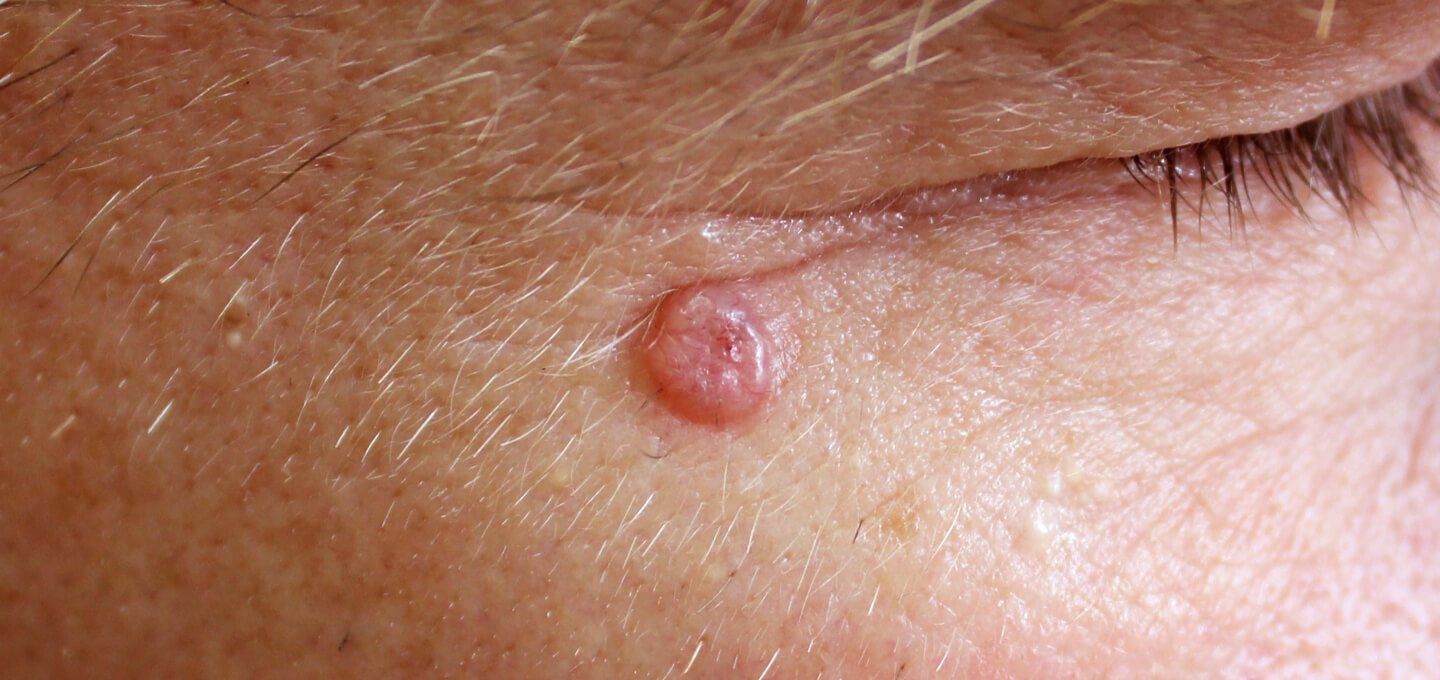
With the potential for local invasion and, in some cases, dissemination
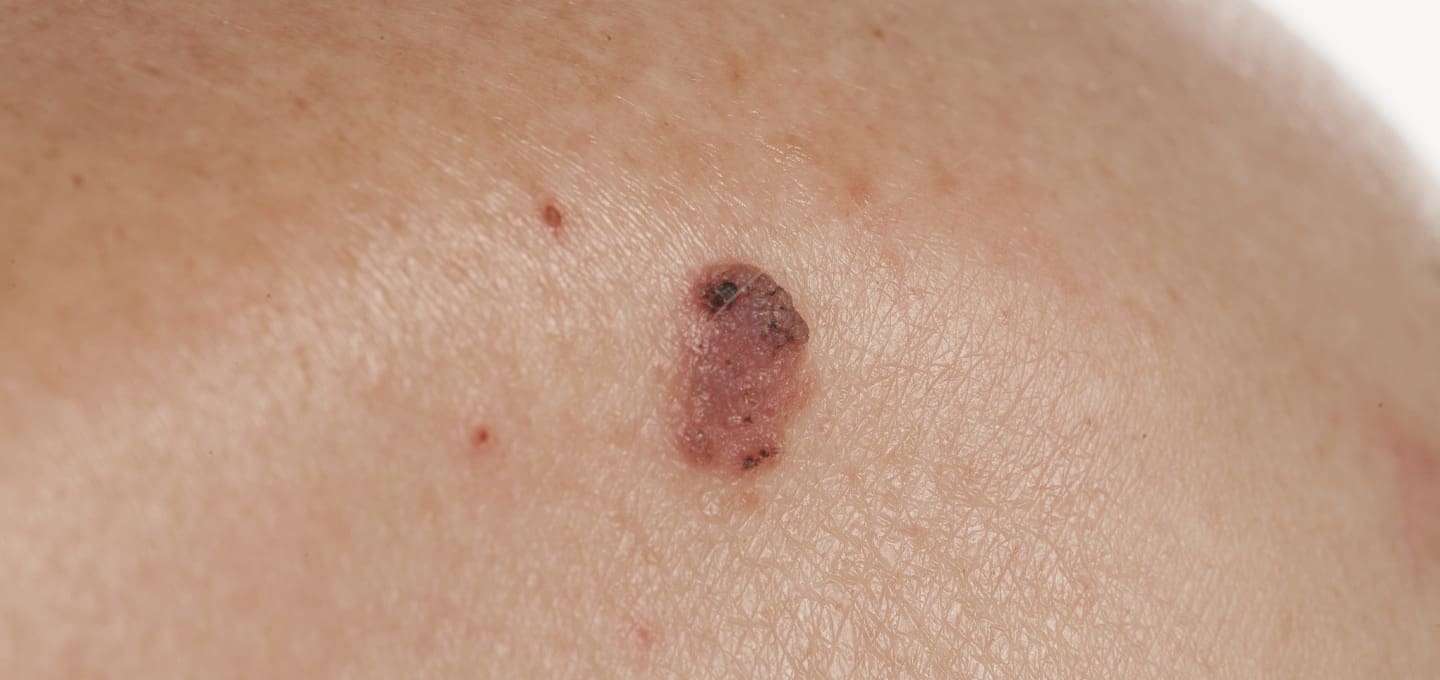
It is the most aggressive form of skin cancer, but also the one that benefits the most from early diagnosis
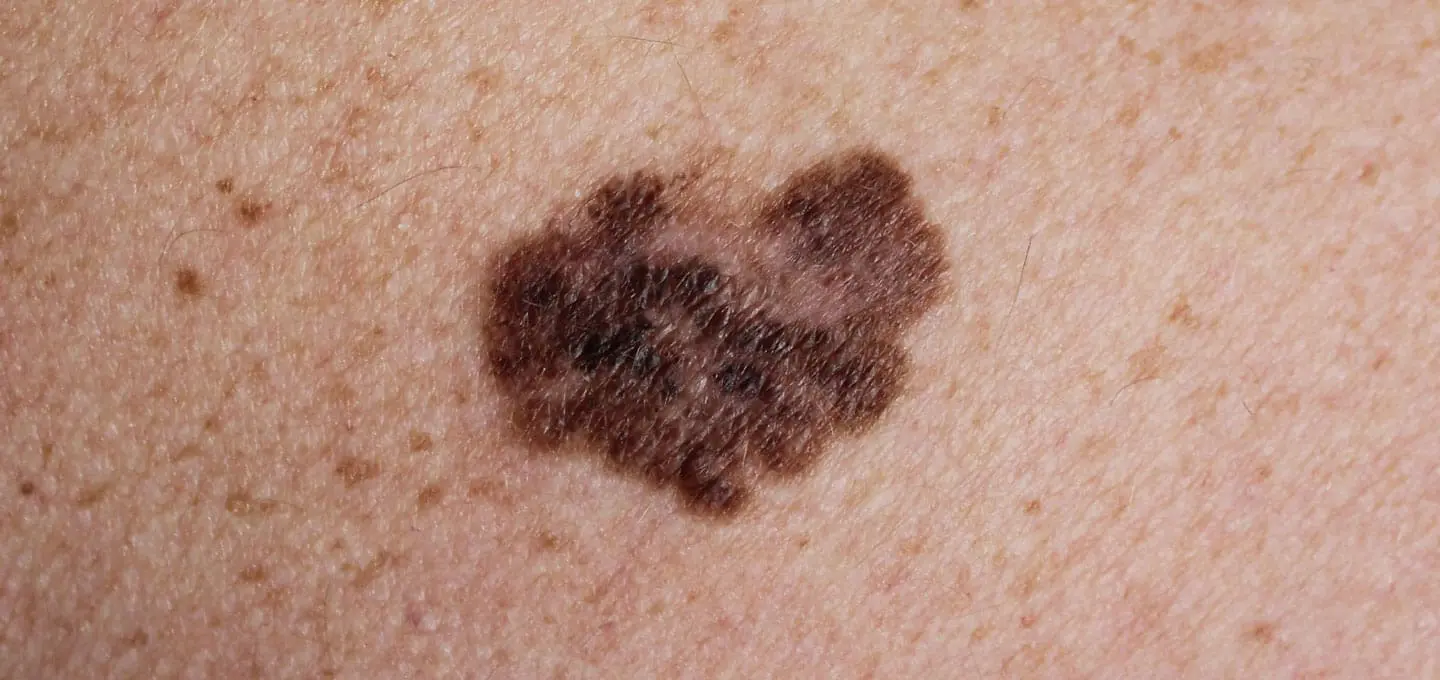
Certain changes in the signs or the appearance of new lesions should prompt dermatological evaluation.
In the case of pigmented moles, the ABCDE rule remains a useful tool:



It is also important to be aware of:
Moles that change in size, shape or color | Lesions that bleed spontaneously | Wounds that do not heal | Persistent spots or crusts | Appearance of new lesions with different characteristics from the others
The development of skin cancer results from the interaction between genetic and environmental factors.
Key risk factors include:
Book your appointment with Dr. João Patrocínio for an accurate diagnosis, close follow-up and treatments adapted to your needs.
Dermatological clinical evaluation is complemented by dermoscopy, a non-invasive technique that allows the analysis of structures invisible to the naked eye and significantly increases diagnostic accuracy.
When there is clinical suspicion, biopsy or excision of the lesion may be necessary to confirm the diagnosis.
Treatment depends on the type of tumor, location, and extent of the disease, and may include:

Skin cancer can manifest at any age, although the risk increases progressively with advancing years due to the accumulation of damage caused by ultraviolet radiation.
Basal cell and squamous cell carcinomas appear mainly in patients over 50 years of age, as a result of accumulated sun exposure throughout life.
50+
Melanoma, which is also common at an advanced age, is one of the most common forms of cancer in young adults, often manifesting itself between the ages of 30 and 50.
30-50
The daily application of sunscreen with a high factor on exposed areas is the most important preventive measure.
You should avoid direct sun exposure during the hottest hours, favoring the use of a hat and sunglasses.
Regular skin self-examination helps the patient to become familiar with their lesions and to detect changes early.
Fill out the form with your details and our team will contact you as soon as possible.