
Atopic eczema and psoriasis are chronic inflammatory skin diseases that can be effectively managed with proper diagnosis and treatment.
What are they?
Atopic eczema (atopic dermatitis) and psoriasis are chronic inflammatory skin diseases that can have a significant impact on quality of life.
Eczema
Atopic eczema is characterised by changes in the skin barrier and an inflammatory response that leads to dry skin, severe itching and recurrent lesions. It often appears in childhood, but can persist or manifest for the first time in adulthood.
Psoriasis
Psoriasis is an immune-mediated inflammatory disease that accelerates the renewal of skin cells, causing reddish and scaly plaques. In addition to the skin, it can affect the nails and joints, sometimes requiring a multidisciplinary approach.
Both diseases show periods of improvement and worsening, but there are currently effective treatments capable of providing significant control of symptoms and disease activity.
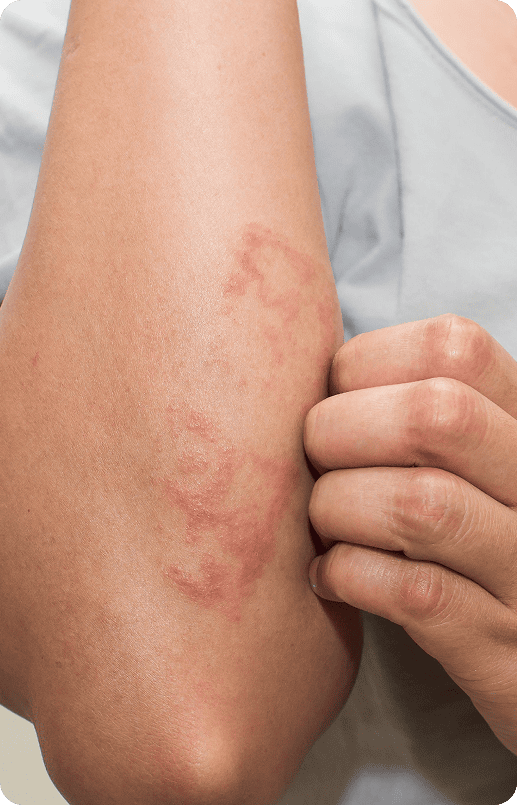
How to identify?
Atopic Eczema (Atopic Dermatitis)
The most frequent signs and symptoms include:
Psoriasis
Psoriasis usually manifests itself through:
The most frequent locations include the elbows, knees, scalp, and lower back.
What are the causes?
Most common causes of atopic eczema
Atopic eczema results from a combination of genetic factors, skin barrier alterations and immune system dysfunction. Several environmental factors can contribute to the worsening of symptoms.
Most common causes of psoriasis
Psoriasis is an immune-mediated disease with a strong genetic component, in which there is an inappropriate activation of the immune system that leads to chronic inflammation of the skin.
In both diseases, factors such as stress, infections, climate change or certain medications can influence the clinical evolution.
An early diagnosis can make all the difference.
Book your appointment with Dr. João Patrocínio for an accurate diagnosis, close follow-up and treatments adapted to your needs.
Effective treatments
Treatment should be tailored to the severity of the disease, the affected areas and the impact on the quality of life of each patient.
In atopic eczema, therapeutic options may include:

In psoriasis, treatment may include:
Therapeutic advances in recent years have transformed the treatment of these diseases, allowing many patients to achieve levels of control that were difficult to achieve in the past.
A specialized dermatological evaluation allows you to establish the correct diagnosis, define the most appropriate therapeutic strategy and optimize the long-term control of the disease.
At what age do they manifest themselves?
Atopic eczema
Atopic eczema appears most often in the first months or years of life, and is one of the most common skin diseases in childhood.
Early life
Atopic eczema
Although it can improve with growth, atopic eczema can persist or manifest for the first time in adulthood.
Adults
Psoriasis in Youth
One of the main peaks in the incidence of psoriasis occurs between the ages of 15 and 25.
15-25
Psoriasis in adulthood
A second peak of incidence occurs between the ages of 50 and 60, although the disease can appear at any stage of life.
50-60
When to schedule the 1st appointment?
You should schedule the initial appointment with your dermatologist as soon as you detect skin lesions that cause persistent itching, peeling or redness with no apparent cause.
Early medical intervention is essential to obtain a correct diagnosis and start an appropriate therapeutic plan.
Timely diagnosis prevents worsening of symptoms and minimizes the risk of associated complications.
The daily impact and clinical support in consultation
These dermatological pathologies carry a burden that goes far beyond the manifestations on the skin.
The discomfort caused by constant itching and visible lesions affects the patient’s sleep, self-esteem and professional or social activities.
Follow-up in a medical consultation offers indispensable clinical support on a daily basis.
Consultations provide personalized strategies to manage crises, adjust therapy and substantially improve well-being and quality of life.
Fill out the form and we will contact you
Fill out the form with your details and our team will contact you as soon as possible.