

and Hair Diseases
Hair loss can have different causes and a correct diagnosis is essential to define the most appropriate treatment.
What is it?
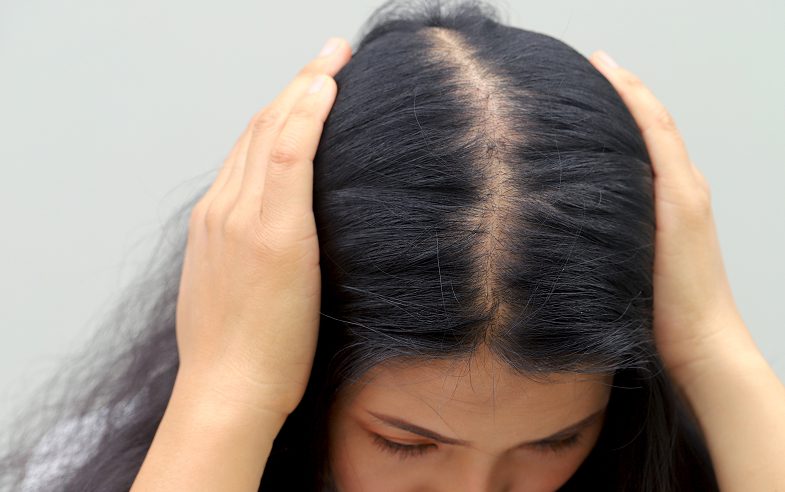
Hair loss is one of the most frequent reasons for dermatology consultation. While it’s common to lose some hair on a daily basis, excessive hair loss, decreased hair density, or the appearance of hairless areas may indicate an underlying condition that needs expert evaluation.
There are multiple types of alopecia, with different causes, prognosis, and treatments. For this reason, correct diagnosis is one of the most important steps to preserve hair health and maximize therapeutic results.
How to identify?
Alopecia, Androgenetic,
The most frequent form of alopecia in both men and women. You can present yourself through:
Telogenic Effluvium
It is characterized by diffuse and increased hair loss, often triggered by:
Alopecia Areata
Autoimmune disease that usually manifests itself by:
Scar Alopecia
A group of potentially more serious diseases, in which there is permanent destruction of hair follicles.
They can be manifested through:
What are the causes?
Hair loss can result from multiple factors:
- Genetic predisposition
- Hormonal influence
- Thyroid disorders
- Nutritional deficits
- Physical or emotional stress
- Postpartum
- Autoimmune diseases
- Inflammatory Scalp Diseases
- Certain medicines
An early diagnosis can make all the difference.
Book your appointment with Dr. João Patrocínio for an accurate diagnosis, close follow-up and treatments adapted to your needs.
Diagnosis and Treatment
Dermatological evaluation allows you to identify the type of alopecia, determine its cause and define an individualized therapeutic strategy.
Advances in the field of trichology have significantly improved therapeutic outcomes in many forms of hair loss, particularly when diagnosis is made at an early stage.
An expert evaluation is essential to distinguish between reversible and irreversible forms of alopecia and to start the most appropriate treatment as early as possible.
Depending on the diagnosis, treatment may include:

At what age do they manifest themselves?
Hair loss can manifest itself in any age group, depending strictly on the type of alopecia diagnosed.
androgenetic alopecia
Androgenetic alopecia can begin soon after puberty, becoming more visible and prevalent throughout adulthood.
Puberty
TELOGEN RUNOFF
It can appear at any age, usually after situations such as stress, postpartum or nutritional deficiencies.
Any age
ALOPECIA AREATA
It often affects children and young adults, although it can appear at any stage of life.
Childhood / Young Adult
When to schedule the 1st appointment?
- You should schedule your first appointment as soon as you notice a significant loss of hair volume or localized flaws on the scalp.
- Scheduling is strongly recommended if the hair loss is accompanied by local symptoms such as burning, pain, itching, or severe peeling.
- Early intervention by the dermatologist makes it possible to diagnose the exact cause and stop the progression of the disease before irreversible hair loss occurs.
The daily impact and clinical support in consultation
- Hair pathologies exert a huge influence on self-image, directly interfering with the patient’s self-esteem and daily psychological well-being.
- The emotional discomfort and anxiety associated with visible hair loss can condition social routines and professional interactions.
- Continuous medical follow-up in consultation ensures essential clinical support, helping to clarify the real expectations of recovery.
- Regular follow-up allows the evaluation of the effectiveness of the treatment instituted and the therapeutic approaches adjust according to the evolution of the case.
The daily impact and clinical support in consultation
The medical approach extends beyond pharmacological treatment, encompassing patient education for skin health.
Guidance for the use of soap-free cleansers (syndets) and hydration that reinforces the skin barrier without clogging pores.
Identification and control of everyday factors that cause crises, such as exposure to extreme temperatures, stress or certain foods.
Technical advice to avoid physical manipulation of the lesions, explaining the risks of infection and scarring that this act entails.
Regular follow-up to assess tolerance to prescription medications, perform tests if necessary, and adjust doses throughout the year.
Planning of in-office procedures to treat sequelae, such as lasers for blood vessels or peels for cell renewal.
Articles about Alopecia
Fill out the form and we will contact you
Fill out the form with your details and our team will contact you as soon as possible.